
Novo Nordisk
Patient App
A case study on enterprise design systems, behavioral UX, and digital patient support at Novo Nordisk.
Note: All UI visual assets shown are independently recreated mockups with fictitious data to respect NDA restrictions.
Position
INDUSTRY
paltform
Duration
Overview
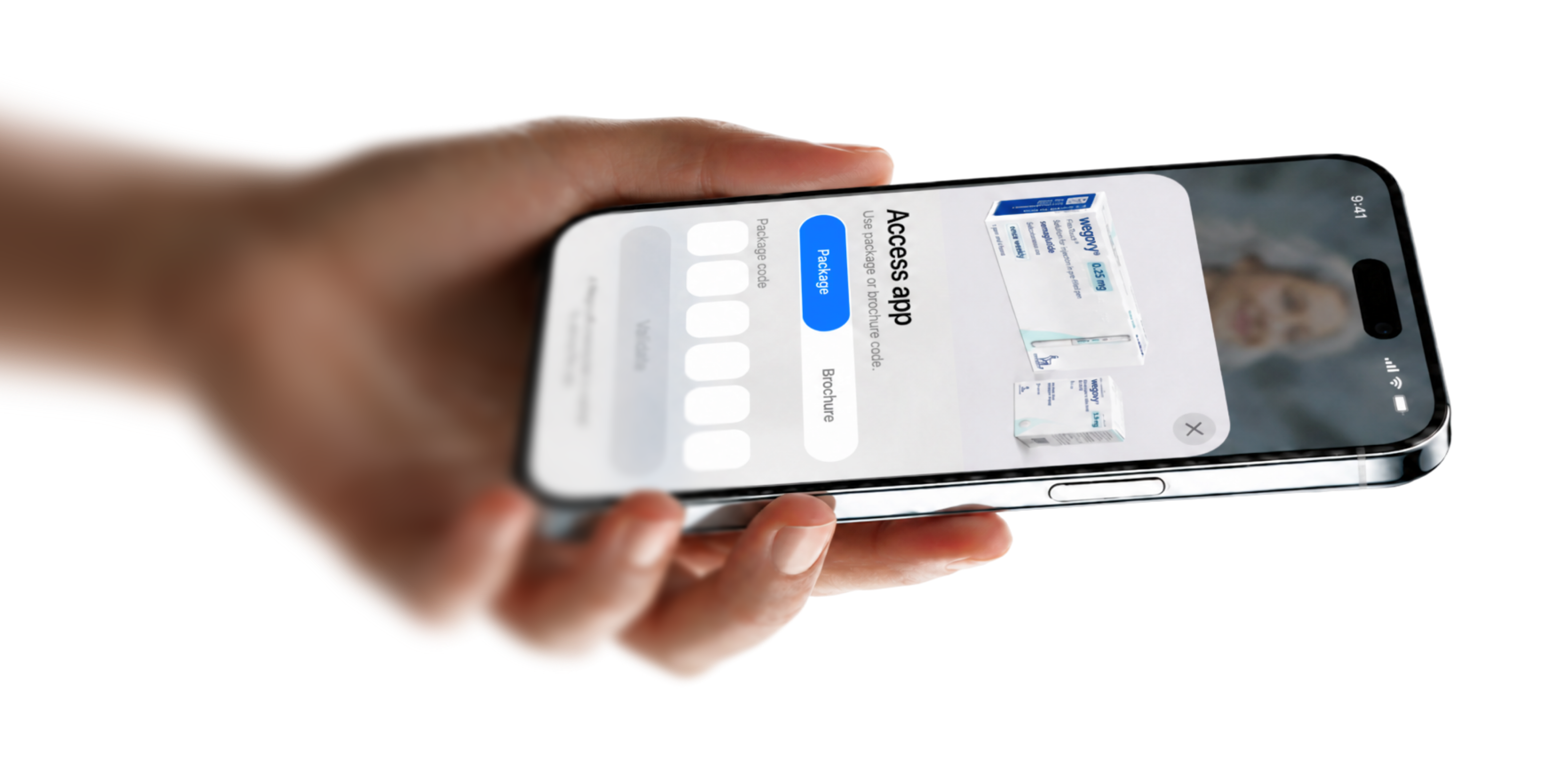
During my time at Novo Nordisk, I was responsible for the UX strategy, UI design, and the projects design system for a global digital patient app. It’s designed to improve treatment adherence, engagement, and overall patient experience during long-term medical care.
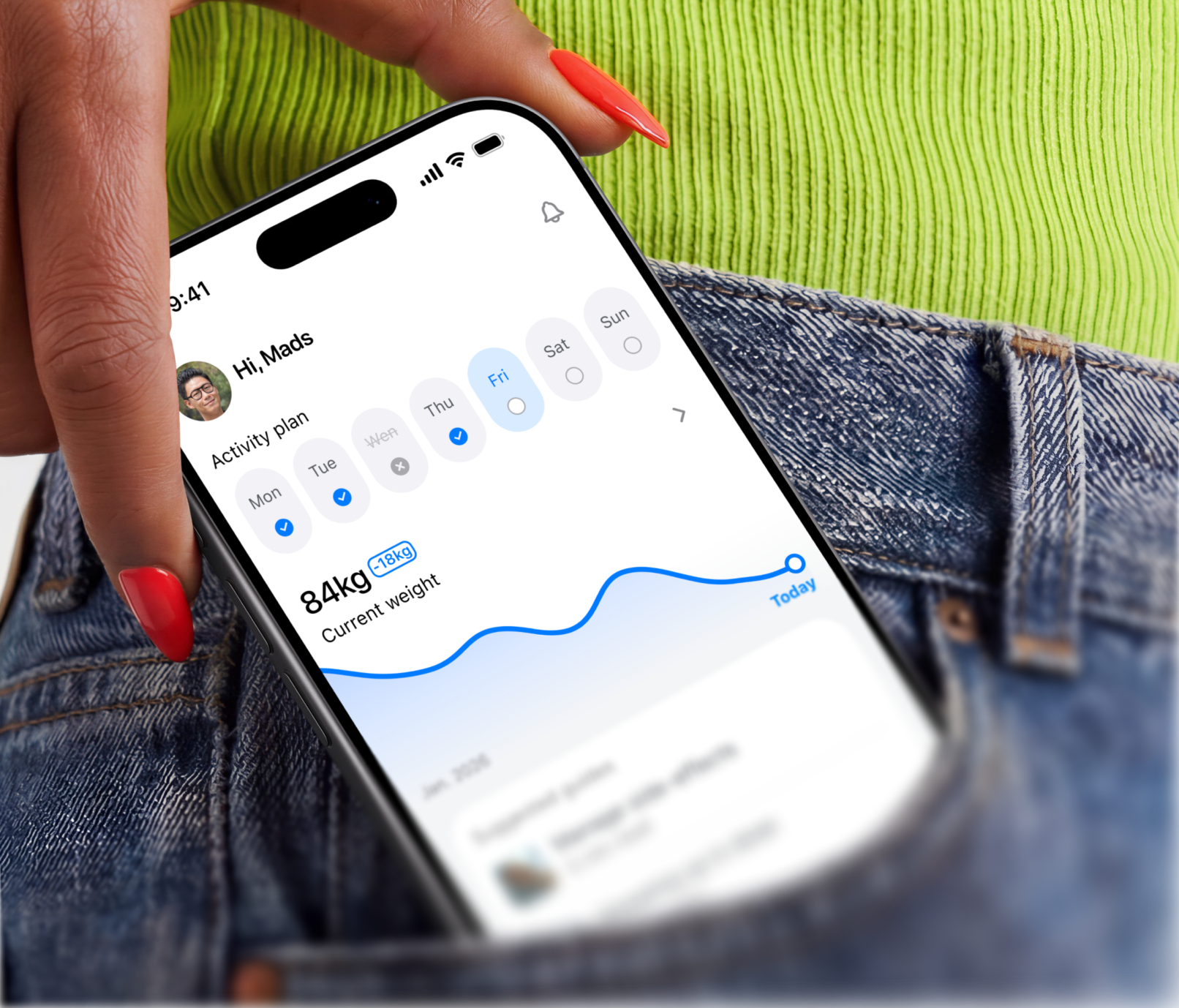
To comply with Non-Disclosure Agreements (NDA), all user interfaces, components, and data shown in the visual mockups have been recreated independently from scratch.
The challange
Designing digital support tools in pharma involves complex medical, behavioral, and organizational hurdles:
- Patient Adherence & Behavioral Retention: Long-term treatments require structured daily guidance, habit formation, and clear progress tracking to prevent drop-off.
- Inclusivity & Cognitive Friction: Balancing complex clinical data with an empathetic, accessible interface for a broad demographic (ages 30–66+).
- Global Scale vs. Local Compliance: Scaling a unified platform across international markets while adhering to strict regional healthcare regulations.
- Development Efficiency: Aligning clinical, product, and engineering teams early to prevent costly late-stage redesigns.
My Role & Work
Design Strategy & Vision
Led the end-to-end design process from initial discovery, user research and interview to the final UI architecture in close partnership with engineering.
Design System Architecture
Built and scaled modular UI components and design tokens in direct collaboration with developers to ensure seamless technical execution across markets.
Patient-Centered Workflows
Applied patient research to simplify complex medical tracking into manageable daily routines that support long-term habit formation.
User Insights & Testing
Conducted in-depth interviews and journey mapping with patients and Healthcare Professionals (HCPs) to continuously refine core features.
some of my resarch
Information Architecture & Behavioral UX Research
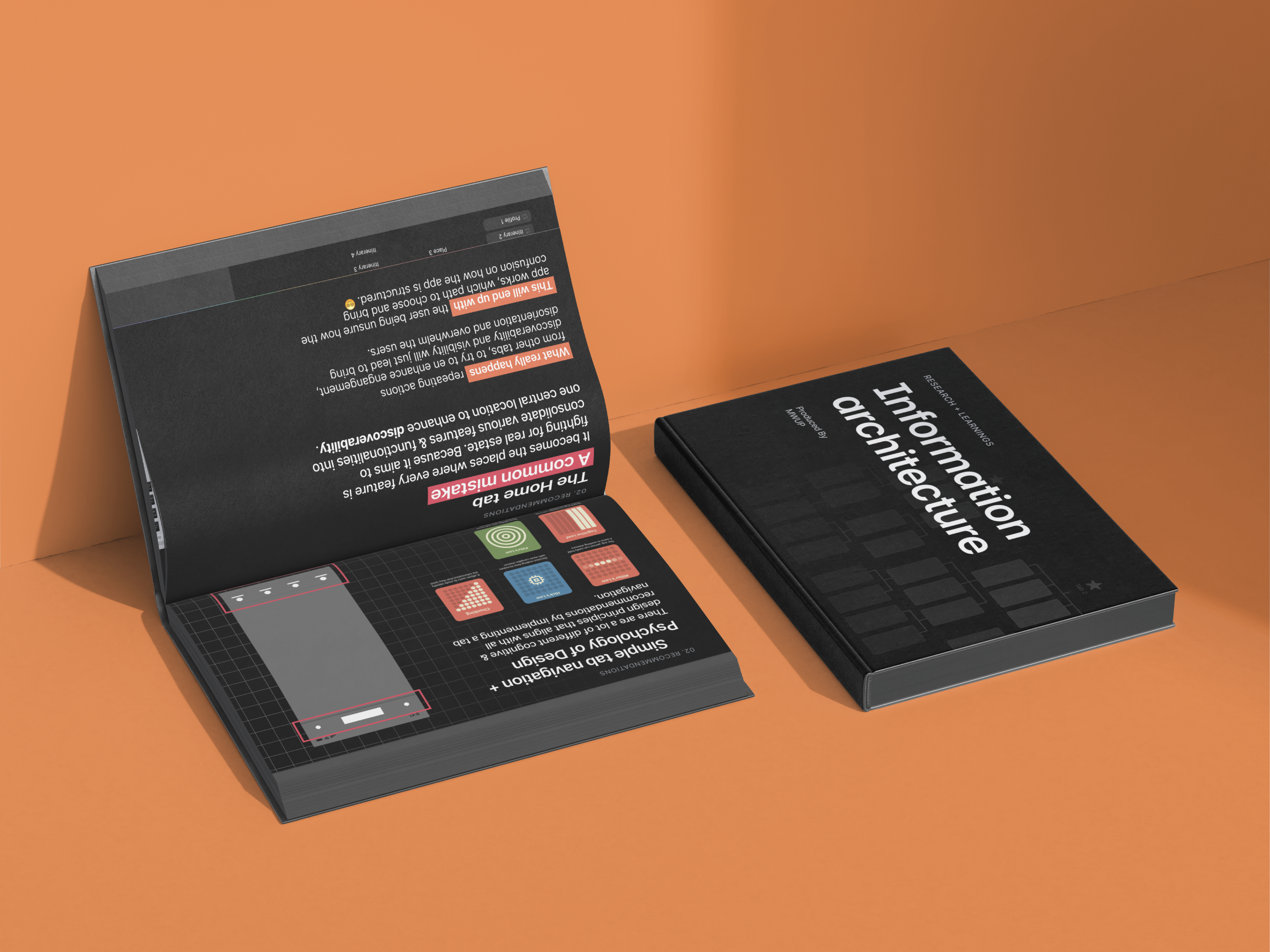
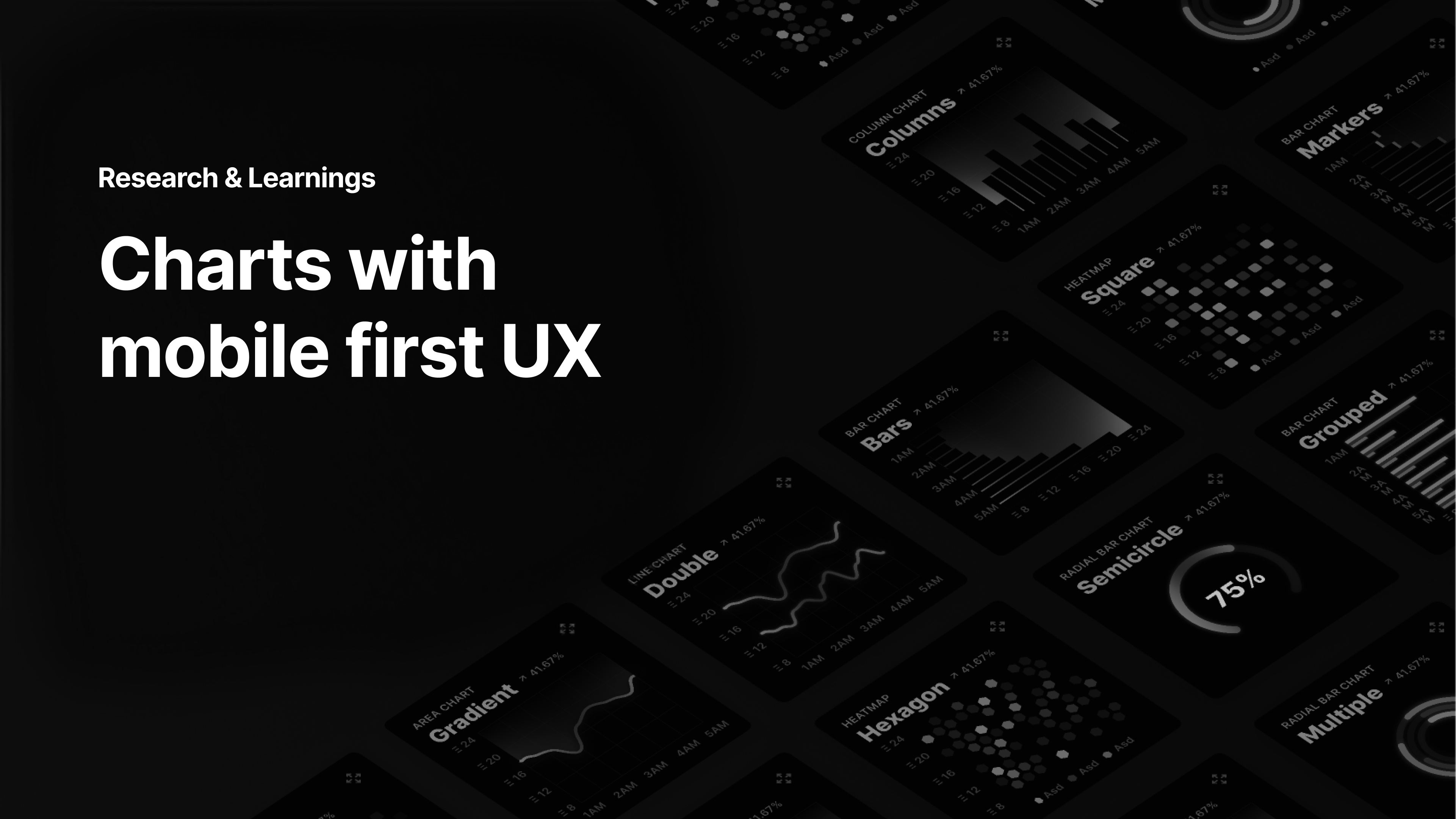
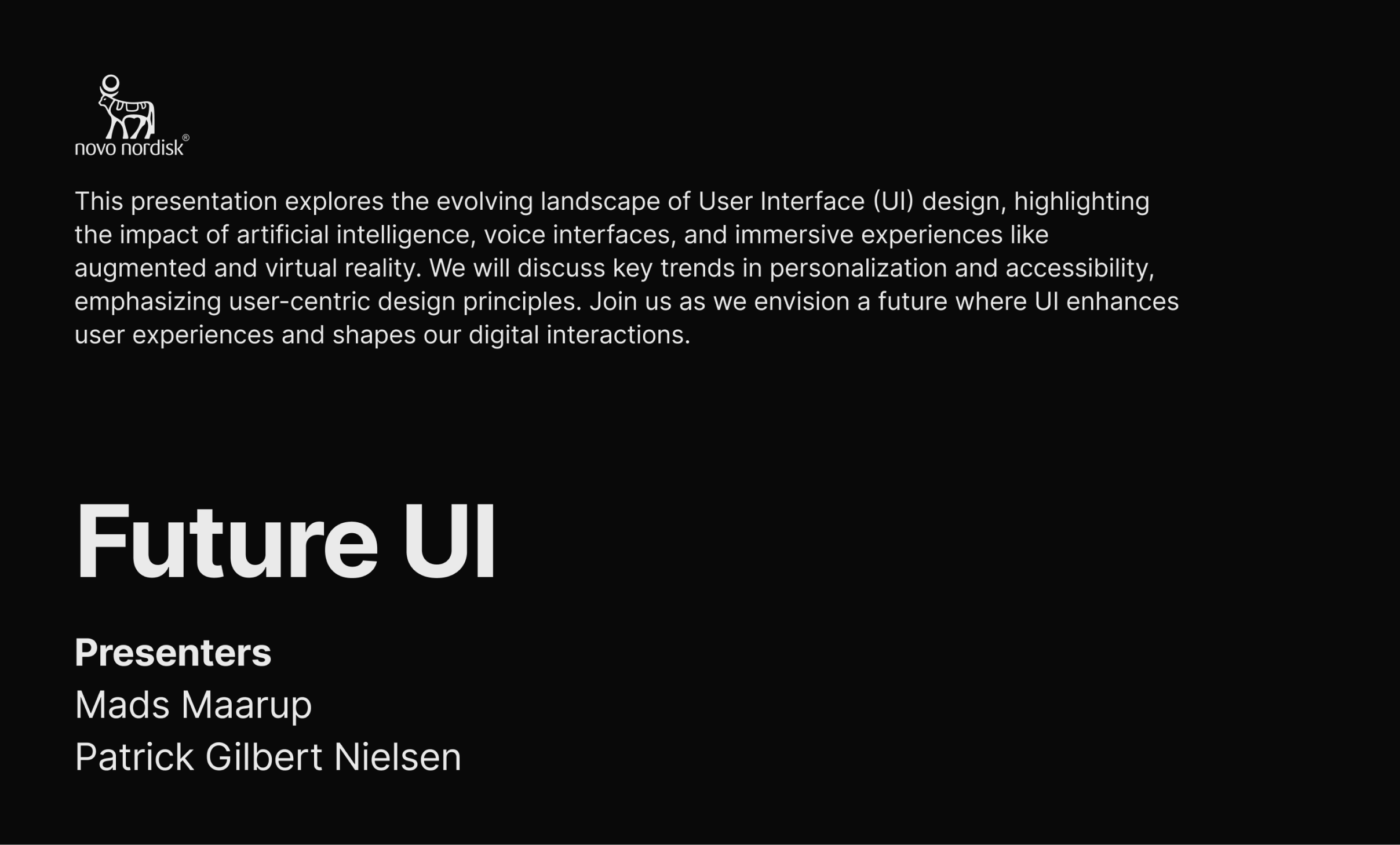
To eliminate navigation friction and feature overload, I led the research and restructuring of the core Information Architecture to address user struggles with app navigation and structural clarity. By combining quantitative user data with key cognitive psychology principles and UX laws, I defined an optimized navigation model.
The new IA significantly reduced cognitive load, improved feature discoverability, and created a clear, intuitive hierarchy designed to drive user activation and long-term retention. Finally, we conducted multiple UX research interviews to validate our decisions before rolling out the solution across multiple markets.
+5
and more...
Results & Impact
Active engagement with the patient health app supported strong clinical and commercial outcomes, driving over 50% of active users to achieve their long-term health goals over 24 months.
The platform successfully engaged tens of thousands of Healthcare Professionals (HCPs) globally and became one of the organization's most utilized patient support solutions.
Additionally, the modular design system eliminated redundant regional work and delivered substantial long-term cost savings in global development.
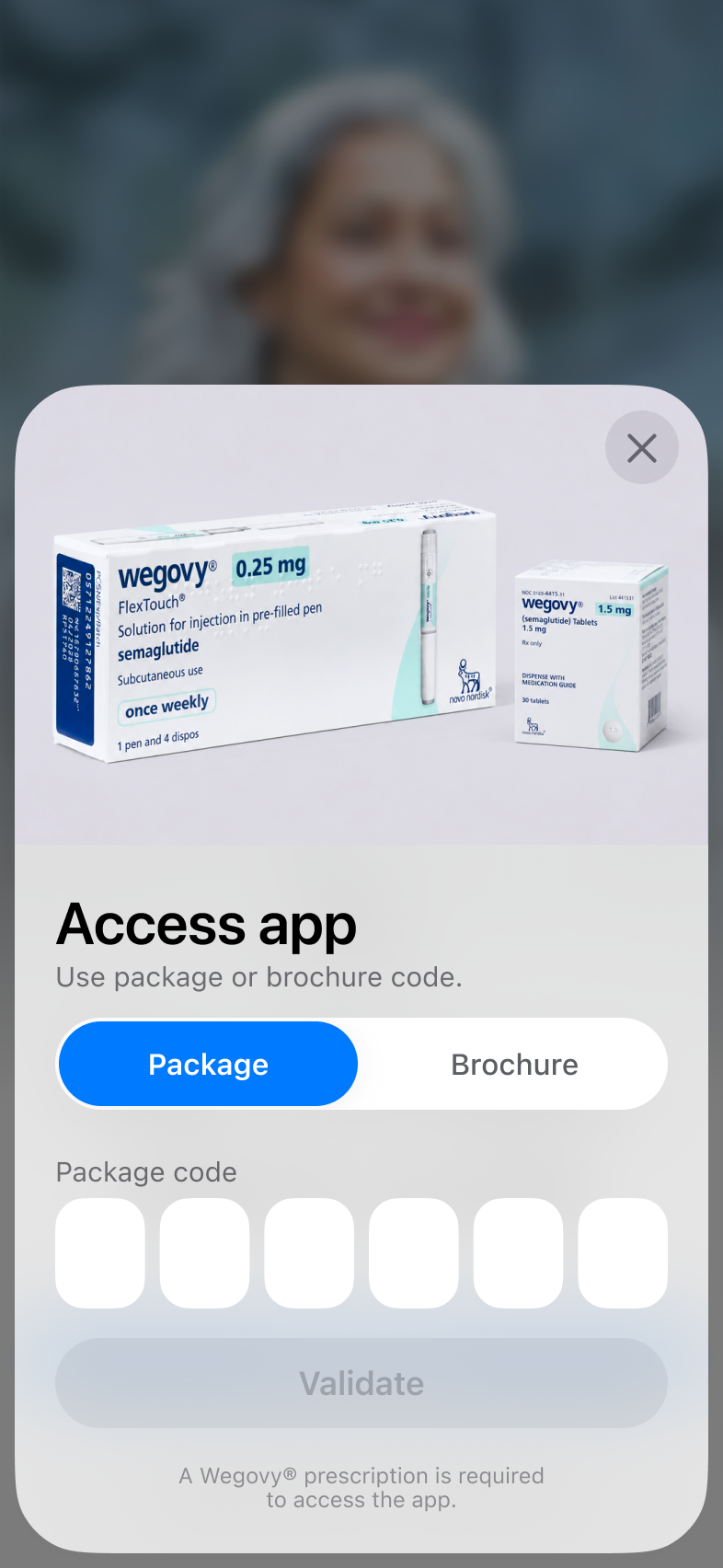
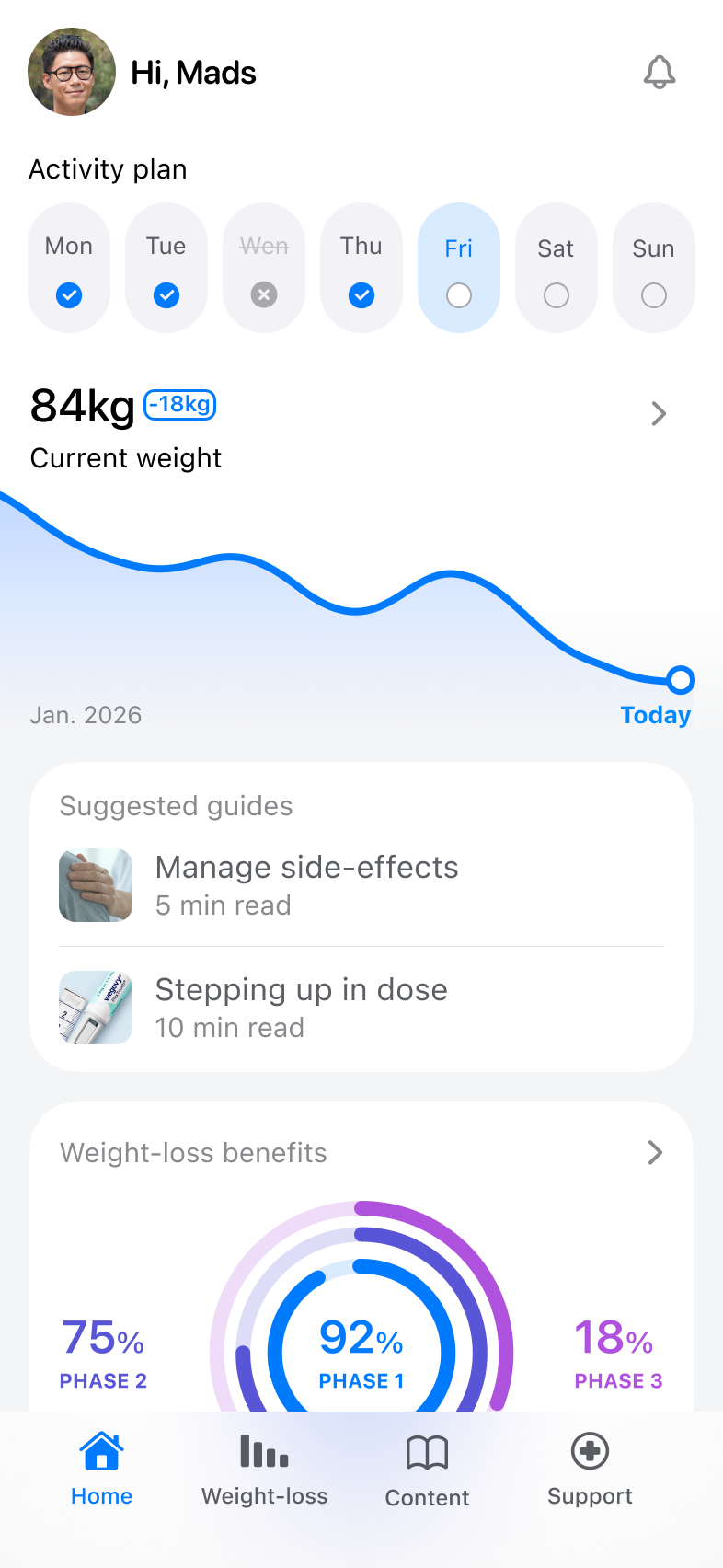
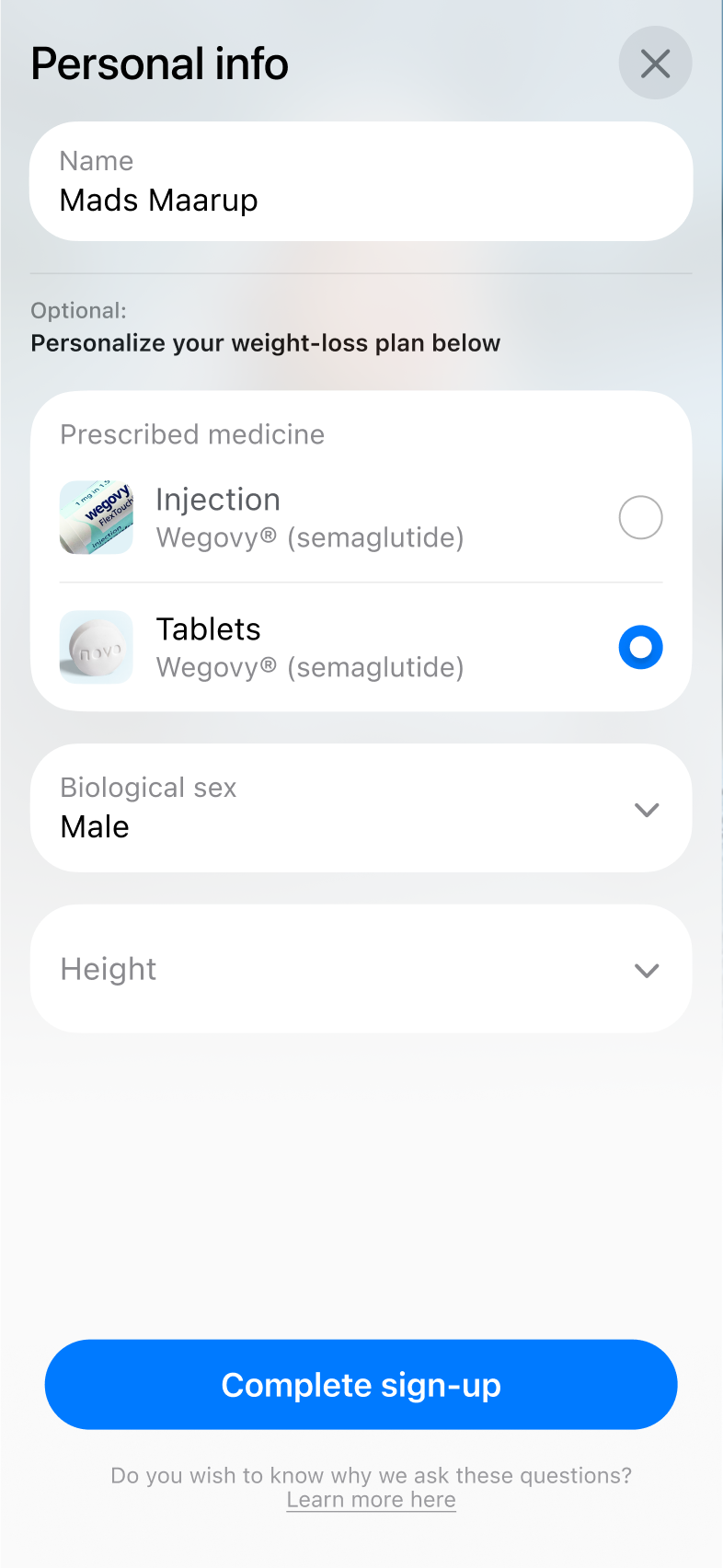
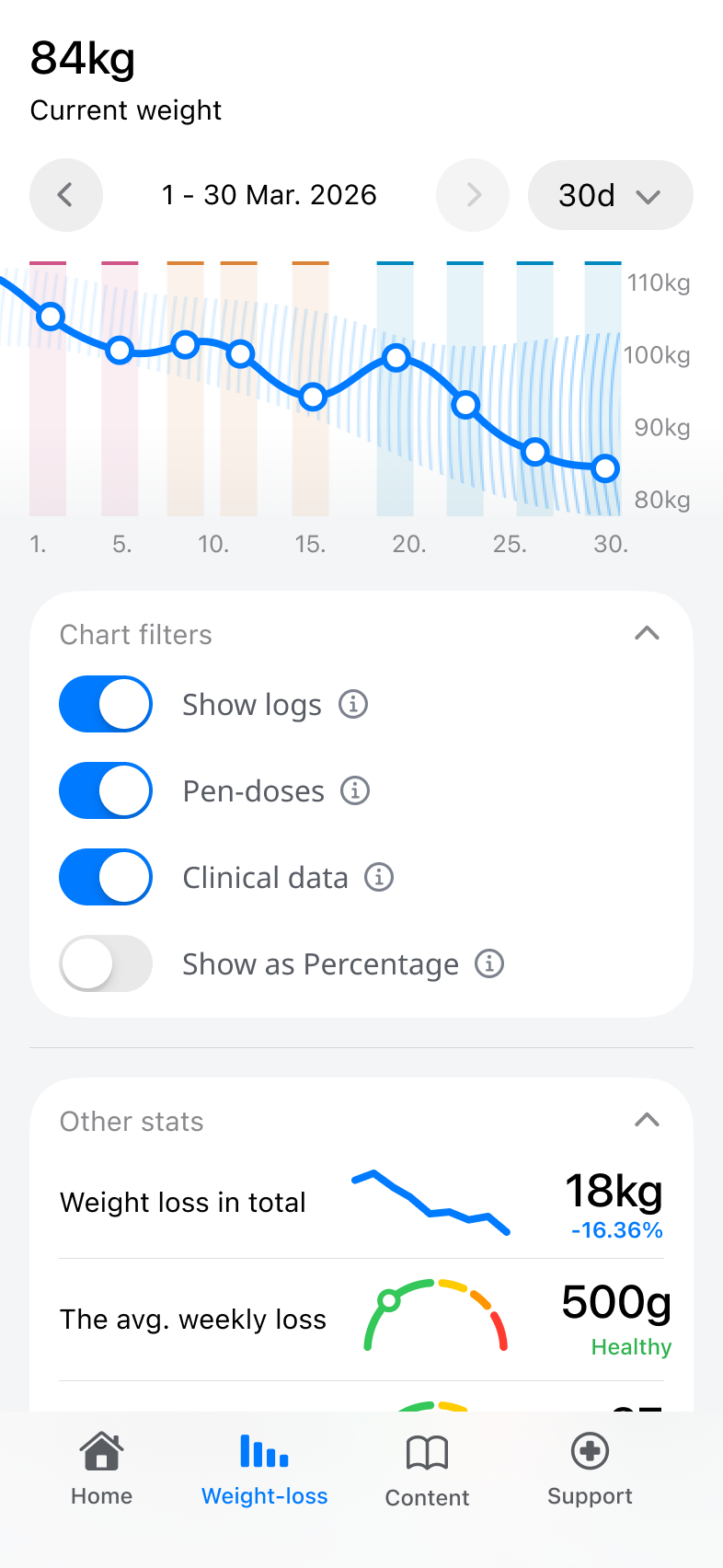
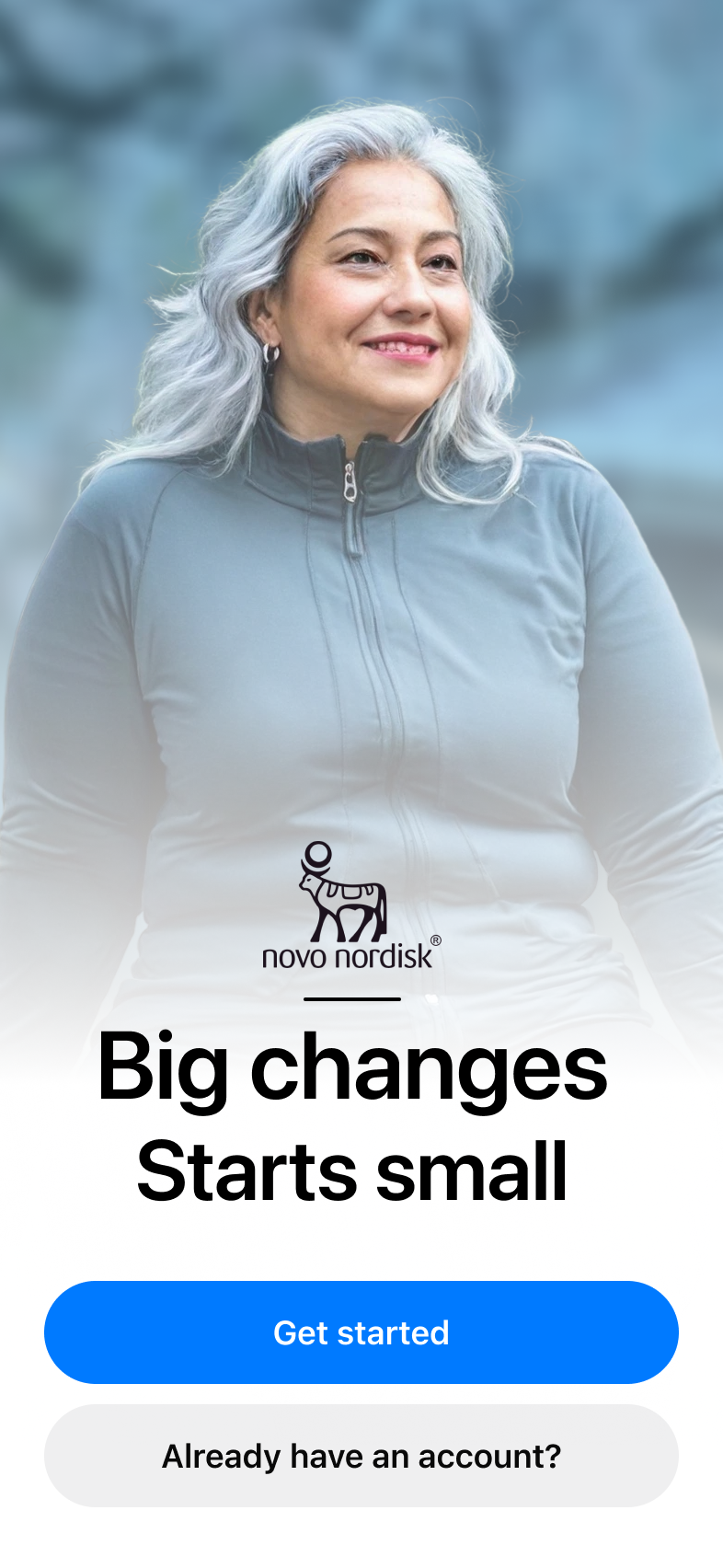
App Mockups
Novo Nordisk
Patient App
A case study on enterprise design systems, behavioral UX, and digital patient support at Novo Nordisk.
Note: All UI visual assets shown are independently recreated mockups with fictitious data to respect NDA restrictions.
Position
INDUSTRY
paltform
Duration
Overview
During my time at Novo Nordisk, I was responsible for the UX strategy, UI design, and the projects design system for a global digital patient app. It’s designed to improve treatment adherence, engagement, and overall patient experience during long-term medical care.
To comply with Non-Disclosure Agreements (NDA), all user interfaces, components, and data shown in the visual mockups have been recreated independently from scratch.
The challange
Designing digital support tools in pharma involves complex medical, behavioral, and organizational hurdles:
- Patient Adherence & Behavioral Retention: Long-term treatments require structured daily guidance, habit formation, and clear progress tracking to prevent drop-off.
- Inclusivity & Cognitive Friction: Balancing complex clinical data with an empathetic, accessible interface for a broad demographic (ages 30–66+).
- Global Scale vs. Local Compliance: Scaling a unified platform across international markets while adhering to strict regional healthcare regulations.
- Development Efficiency: Aligning clinical, product, and engineering teams early to prevent costly late-stage redesigns.
My Role & Work
Design Strategy & Vision
Led the end-to-end design process from initial discovery, user research and interview to the final UI architecture in close partnership with engineering.
Design System Architecture
Built and scaled modular UI components and design tokens in direct collaboration with developers to ensure seamless technical execution across markets.
Patient-Centered Workflows
Applied patient research to simplify complex medical tracking into manageable daily routines that support long-term habit formation.
User Insights & Testing
Conducted in-depth interviews and journey mapping with patients and Healthcare Professionals (HCPs) to continuously refine core features.
research paper
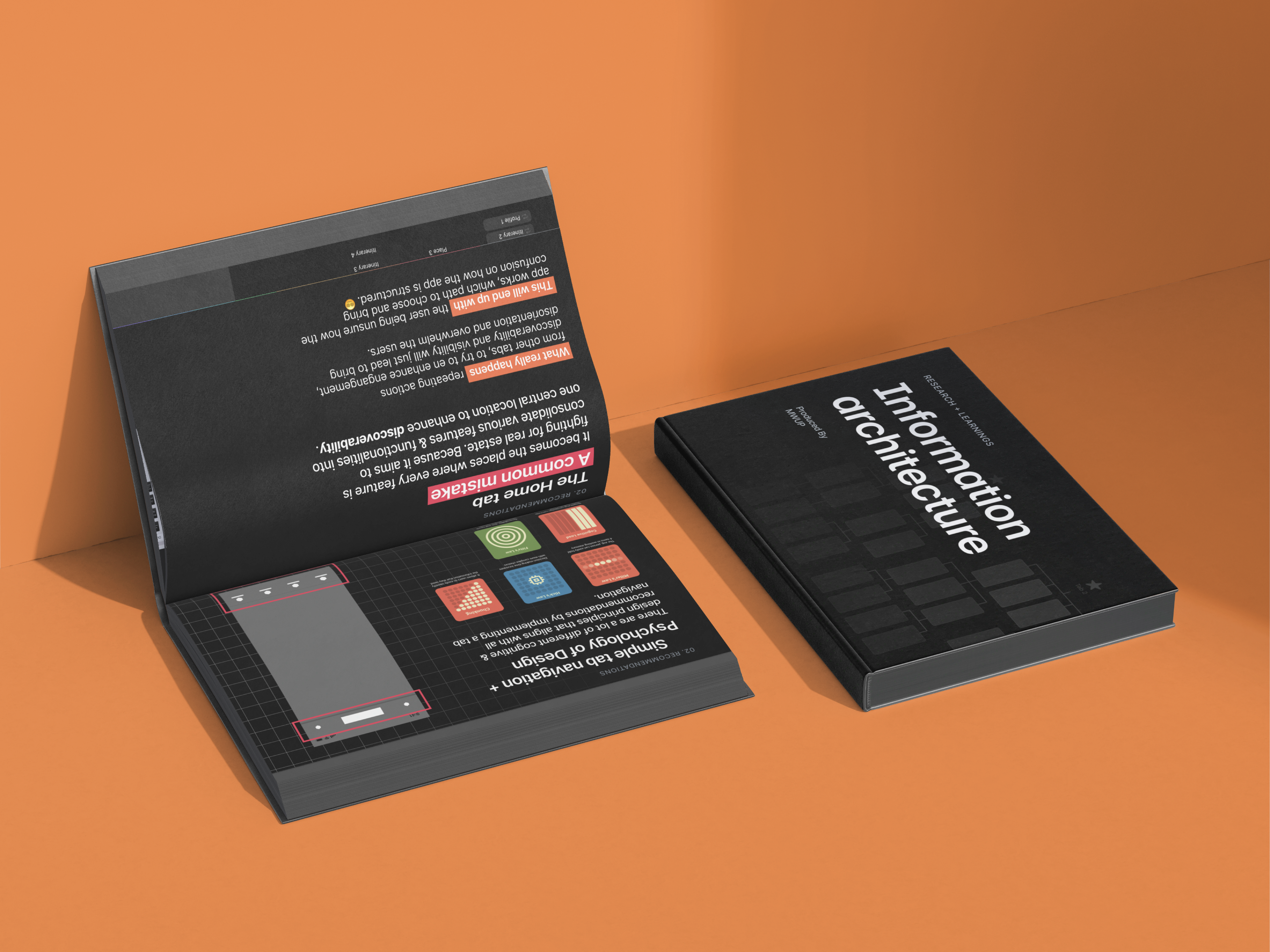
Information Architecture & Behavioral UX Research
To eliminate navigation friction and feature overload, I led the research and restructuring of the core Information Architecture to address user struggles with app navigation and structural clarity. By combining quantitative user data with key cognitive psychology principles and UX laws, I defined an optimized navigation model.
The new IA significantly reduced cognitive load, improved feature discoverability, and created a clear, intuitive hierarchy designed to drive user activation and long-term retention. Finally, we conducted multiple UX research interviews to validate our decisions before rolling out the solution across multiple markets.
+5
and more...
Results & Impact
Active engagement with the patient health app supported strong clinical and commercial outcomes, driving over 50% of active users to achieve their long-term health goals over 24 months.
The platform successfully engaged tens of thousands of Healthcare Professionals (HCPs) globally and became one of the organization's most utilized patient support solutions.
Additionally, the modular design system eliminated redundant regional work and delivered substantial long-term cost savings in global development.
App Mockups